
Pangolin Conservation in Africa
By Julie Graham
Photo’s by Simon Needham & Gareth Thomas
For most people, seeing a pangolin is a once in a lifetime experience.
Shy, nocturnal, and incredibly elusive, these remarkable mammals spend their days hidden underground before emerging under the cover of darkness to forage for ants and termites. Even experienced wildlife guides can go years without seeing one.
Yet despite their secretive lives, pangolins have become the world’s most trafficked wild mammals. Every rescue is a reminder of the immense challenges they face, but it is also the beginning of an extraordinary conservation story.
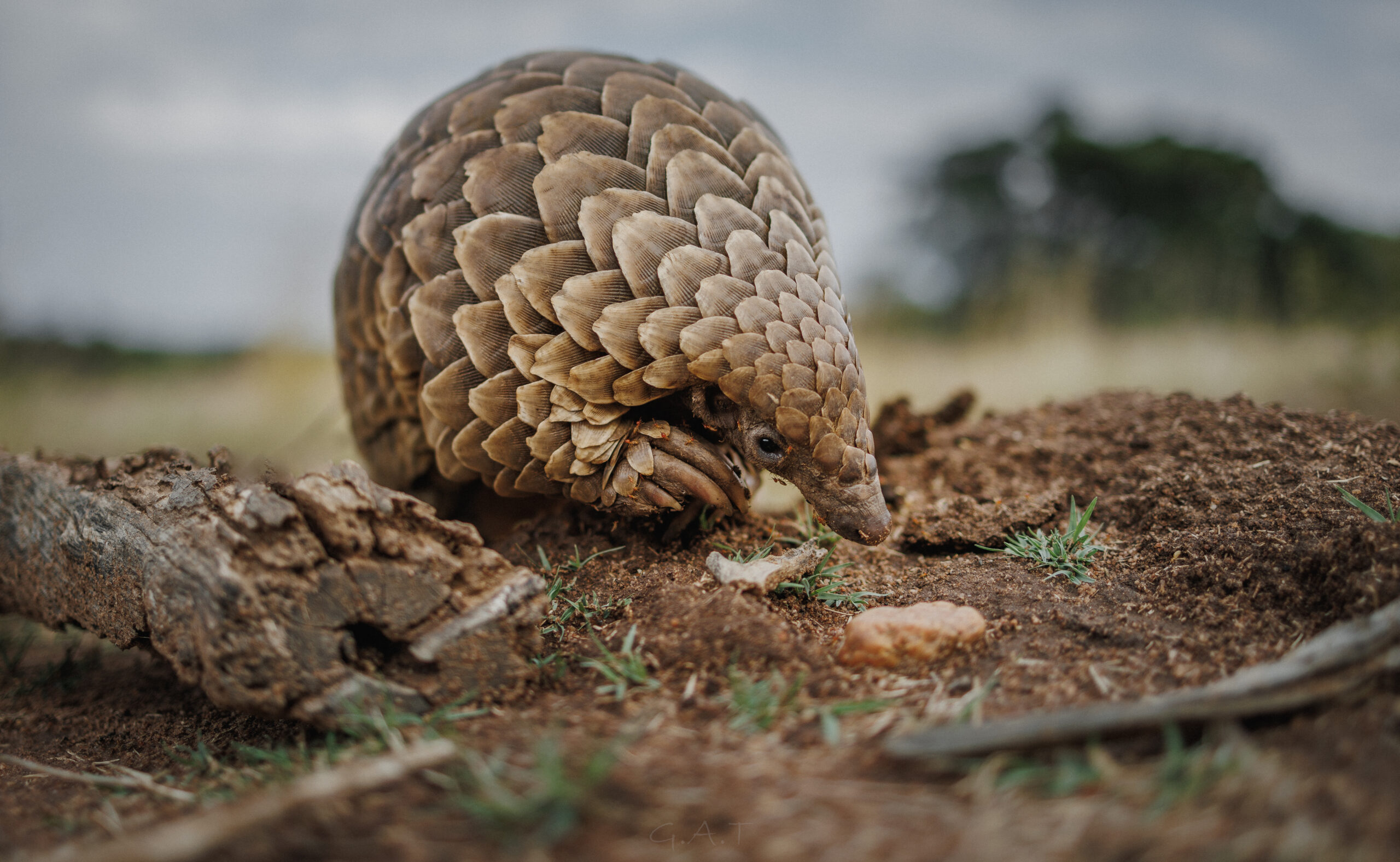
Across southern Africa, the African Pangolin Working Group (APWG) is leading that story. Established in 2011 by a group of scientists and conservationists united by a shared passion for protecting Africa’s pangolins, the organisation has grown into one of the continent’s leading authorities on pangolin conservation. Their work includes rescuing, veterinary stabilising and rehabilitating illegally traded pangolins, combating wildlife crime, conducting critical research, and building partnerships that support long-term conservation. Together, these efforts are helping to protect all four African pangolin species while advancing scientific understanding of one of the world’s least studied mammals.
Their work demonstrates that conservation is about far more than saving individual animals. It is about restoring ecosystems, expanding scientific knowledge, and ensuring future generations inherit a world where pangolins continue to roam free.
Why Pangolin Conservation Matters
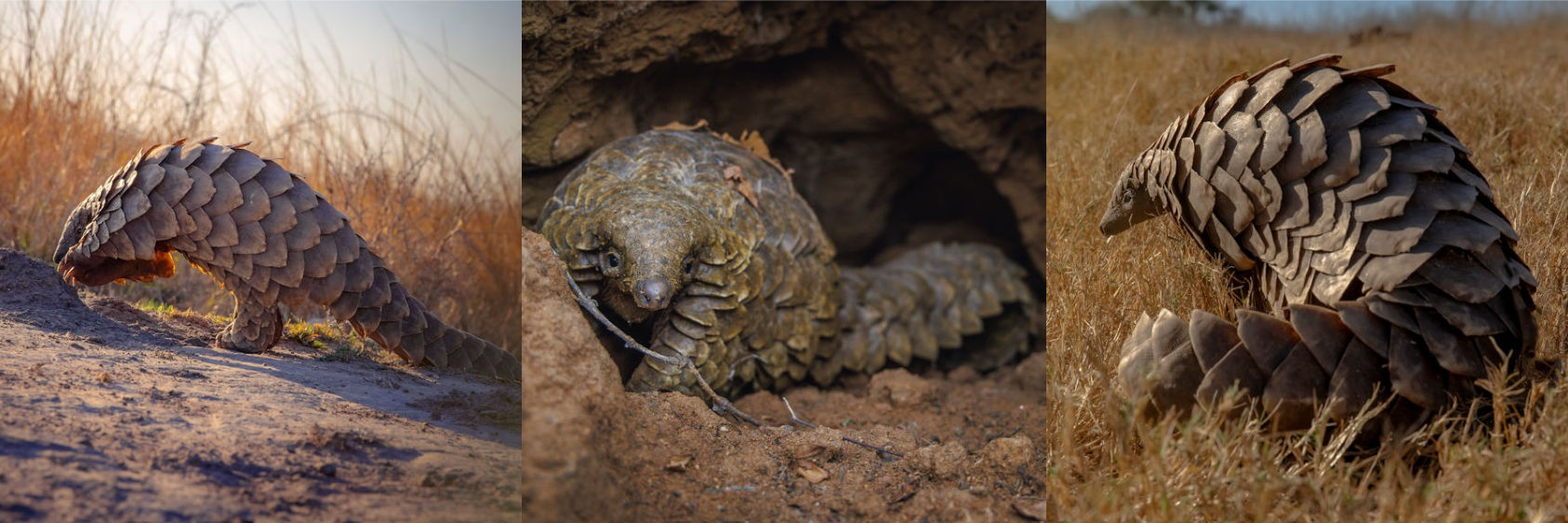
Pangolins are unlike any other mammal on Earth.
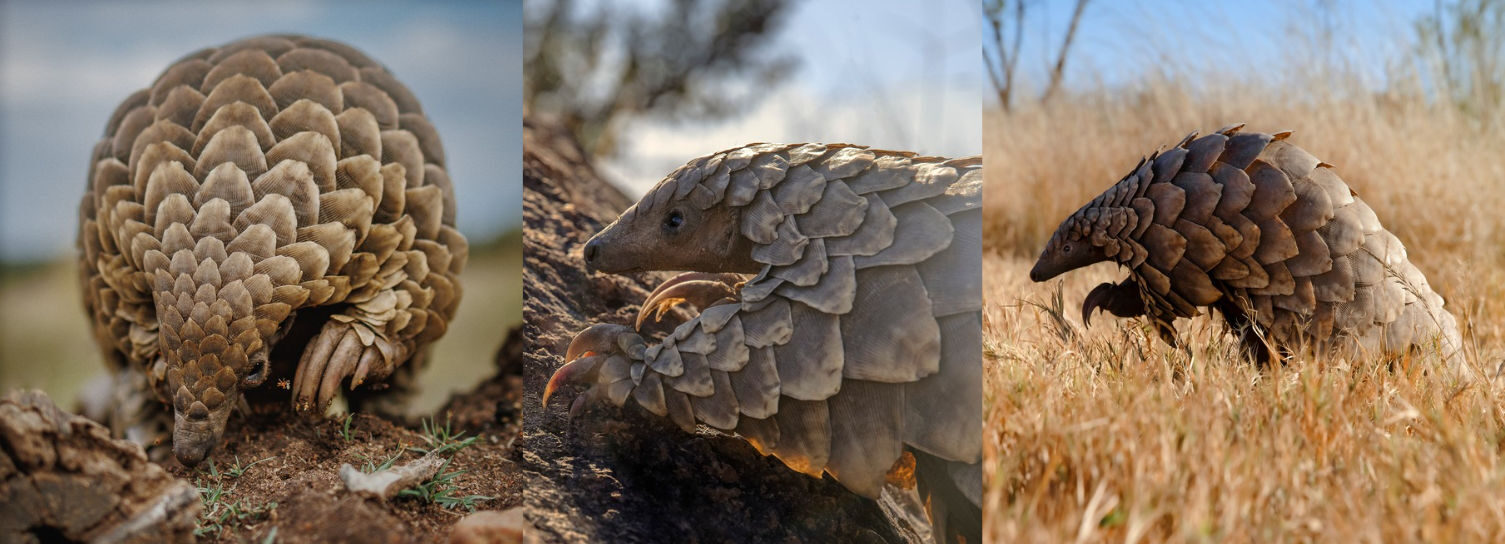
Covered in protective scales made from keratin, the same material as human fingernails, they are the world’s only scaled mammals. They are also nature’s pest controllers, consuming thousands of ants and termites every night and playing an important role in maintaining healthy ecosystems.
Unfortunately, these remarkable animals face an uncertain future. Illegal wildlife trafficking continues to threaten all eight pangolin species worldwide, making conservation one of the greatest priorities for wildlife organisations across Africa and Asia.
Protecting pangolins requires far more than safeguarding habitat. It demands coordinated action across rescue, veterinary care, scientific research, law enforcement, education, and long-term monitoring.
That is exactly where APWG has become a global leader.
Rescue Is Only the Beginning
When a rescued pangolin arrives in the care of APWG, the real work begins. Many rescued pangolins arrive dehydrated, injured, malnourished, or suffering from the effects of prolonged captivity. Their immediate priority is veterinary stabilisation, where specialists work to restore their health before rehabilitation can begin. Unlike many wildlife species, pangolins require highly specialised care, making every stage of the recovery process both delicate and essential to their eventual return to the wild. Every animal is carefully assessed before beginning a rehabilitation programme designed to restore its health and prepare it for life back in the wild.
Success cannot simply be measured by survival. A rehabilitated pangolin must be capable of finding food naturally, navigating its environment, avoiding danger, and ultimately becoming a healthy, independent wild animal.
Each rescue also presents a rare opportunity for research. Pangolins remain among the least studied mammals on the planet, meaning every rehabilitation programme contributes valuable scientific knowledge that can improve future conservation efforts.
Returning Pangolins to Their Historic Home
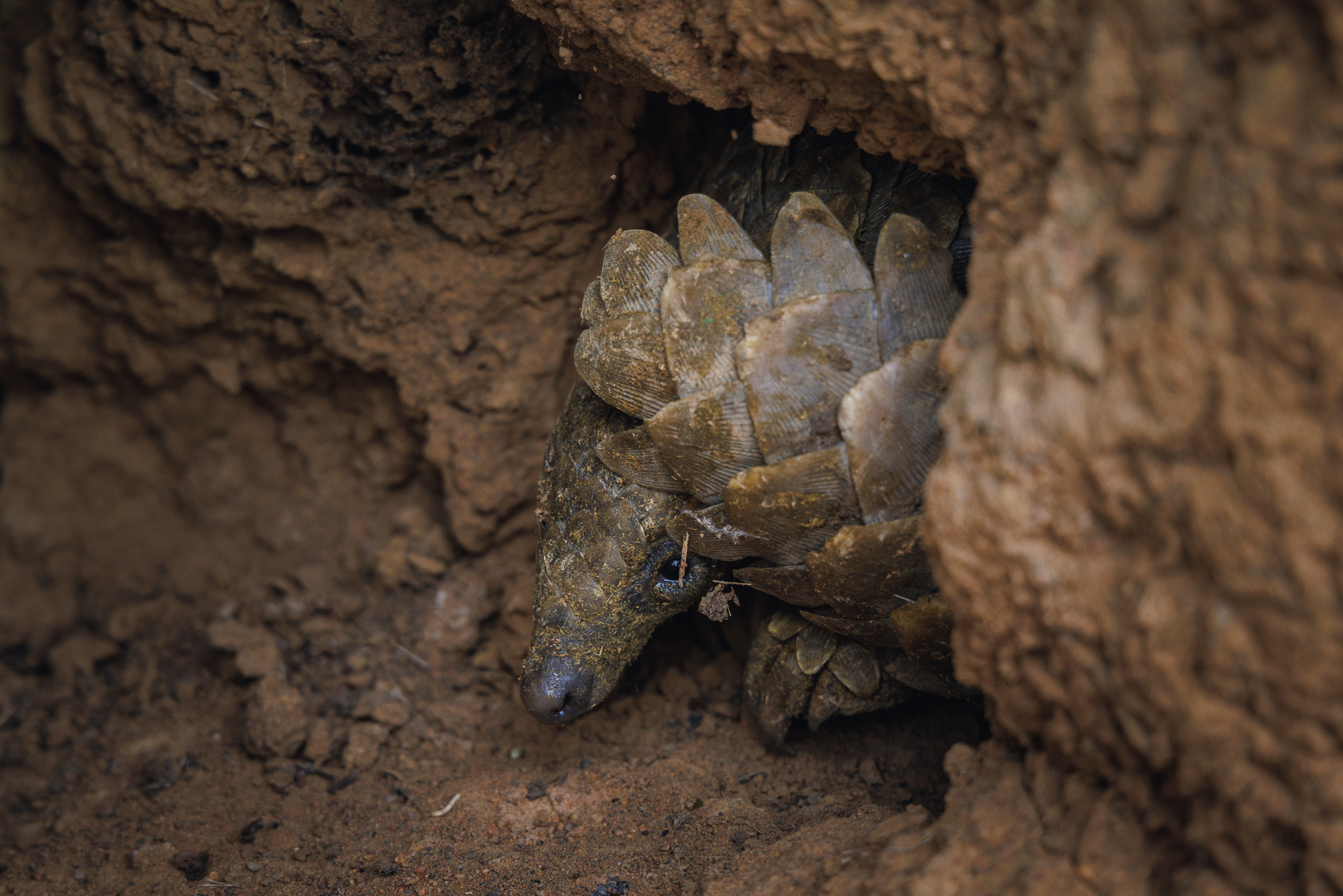
One of APWG’s greatest conservation achievements began in 2019 with an ambitious reintroduction programme in KwaZulu-Natal. The goal was to restore the Temminck’s pangolin to a region where the species had disappeared decades earlier.
More than simply releasing rescued animals, the project sought to establish a self-sustaining wild population while generating scientific knowledge about a species that remains largely misunderstood.
The programme has already achieved remarkable success.Multiple pangolin pups have been born to reintroduced animals living freely in Zululand, providing clear evidence that rescued pangolins are surviving, breeding, and contributing to the recovery of the species.
The project has become an important model for future pangolin reintroductions in regions where local populations have disappeared.
Why Camera Traps Are Transforming Pangolin Research
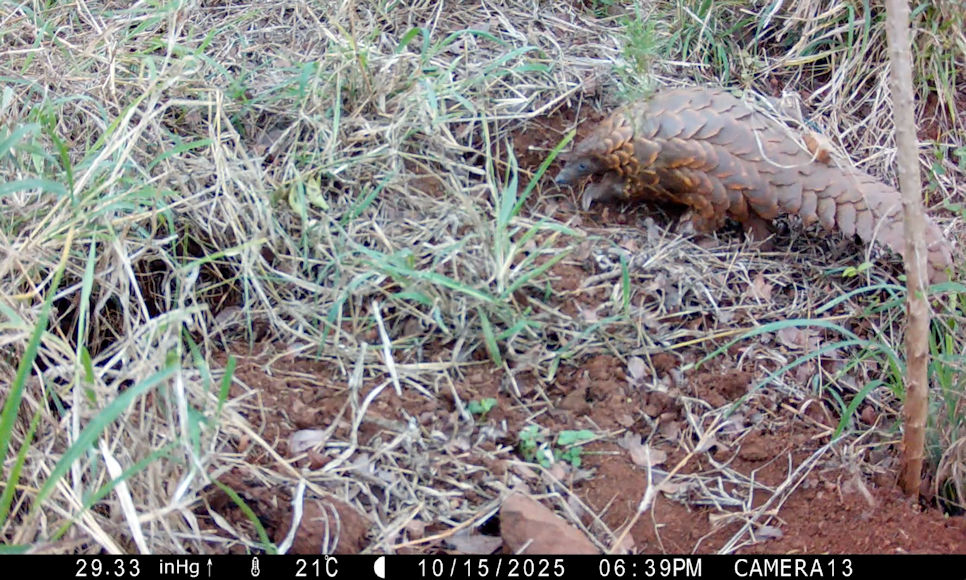
Studying pangolins presents a unique challenge. Temminck’s pangolins are nocturnal, solitary, and naturally difficult to observe. They spend most daylight hours inside burrows before emerging after sunset, making direct observation incredibly rare.
Camera traps have transformed what scientists are able to learn. Positioned outside active burrows, these motion-activated cameras quietly record pangolins leaving and returning throughout the night without disturbing their natural behaviour.
For APWG, this technology provides much more than photographs.
Camera traps allow researchers to monitor individual animals over extended periods, recording breeding success, the birth of pups, the relationship between mothers and offspring, and the age at which young pangolins disperse to establish territories of their own.
These observations answer questions that scientists have been unable to study for decades and provide essential information for improving future conservation programmes.
Every image contributes another piece to the puzzle.
Conservation Through Partnership
Successful conservation depends on collaboration. APWG works alongside veterinarians, conservationists, researchers, reserve managers, law enforcement agencies, and local communities to protect Africa’s four pangolin species. Their mission combines rescue and rehabilitation with research, education, awareness, and strong partnerships that create lasting conservation impact.
It is a holistic approach that recognises protecting pangolins requires action both in the field and within the communities that share their landscapes.
Every Step Counts
Conservation does not end when a pangolin is released. In many ways, that is when the most important work begins.
Through the Every Step Counts campaign, OKOA Fund is helping fund six specialist camera traps that will support APWG’s long-term monitoring programme for rewilded Temminck’s pangolins in KwaZulu-Natal.
These cameras will allow researchers to continue gathering vital scientific data while ensuring rescued pangolins have the greatest possible opportunity to thrive.
Every camera trap installed helps reveal new insights into the Temminck’s pangolin, one of Africa’s most mysterious mammals. Every discovery strengthens future conservation efforts. And every donation helps protect another generation of pangolins.
Looking Ahead
Conservation is built one success story at a time. Every rescued pangolin that returns to the wild represents hope. Every new pup born in the wild represents progress. Every scientific discovery brings us closer to understanding one of Earth’s most extraordinary animals.
By supporting the African Pangolin Working Group through OKOA Fund, you are helping secure a future where pangolins continue to roam Africa’s wild places, not just for today, but for generations to come.