
Meet the People Behind Pangolin Conservation in Africa
There is something about pangolins that stays with people.
Perhaps it is how rarely they are seen. Their ancient appearance. Or the contradiction at the heart of their story: a quiet, harmless animal that has become one of the most heavily trafficked mammals in the world.
For the people behind the African Pangolin Working Group (APWG), the connection runs deeper.
Founded in 2011, APWG brings together scientists, veterinarians, conservationists, educators, researchers, fundraisers and storytellers working to protect Africa’s pangolins. Their work stretches from research and education to the rescue, rehabilitation and rewilding of animals recovered from the illegal wildlife trade.
OKOA Fund is currently supporting that work through Every Step Counts, a campaign raising funds for specialist camera traps to monitor rescued Temminck’s pangolins after their return to the wild in KwaZulu-Natal.
But behind every conservation project are people. We asked some of those people a few simple questions about why they do what they do, what they wish more of us understood about pangolins and, importantly, what keeps them hopeful.
–––
Meet the People Behind the Pangolins
Dr Sean Heighton
Non-Executive Board Member, Science and Research Portfolio
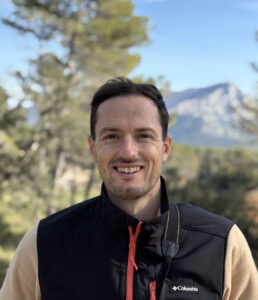
Sean works within APWG’s science and research portfolio, helping build the knowledge needed to make informed conservation decisions. After a decade working with pangolins, he has also witnessed a growing movement of people determined to protect them.
What keeps you hopeful?
“The fact that the world has rallied behind this amazing creature in order to bring it back from the brink of extinction. Over the last 10 years working on pangolins, I have seen how organisations like the APWG, along with the general public, researchers, conservationists and governments, have been working tirelessly to shift the tide. In some places, we really see that the tide is shifting, giving me hope for the future.”
For Sean, the three runners taking on the Sabi Sand Trail Run for Every Step Counts are another example of people finding their own way to contribute.
Dr Kelsey Skinner
Executive Director, Pangolin Veterinary Science, Rehabilitation and Release Portfolio
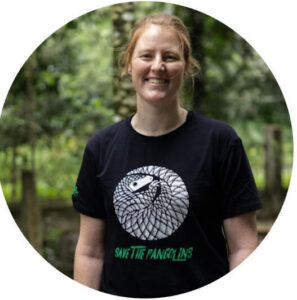
Kelsey’s work sits at one of the most critical points in a rescued pangolin’s journey: providing the specialist care and rehabilitation needed to give an animal the best possible chance of returning to the wild.
Why the pangolin?
“The world is dark and hard sometimes. Life is not easy, yet despite these challenges and threats, pangolins just never threaten back. Everything about them is soft and peaceful. They simply exist and share space with the rest of the world and take nothing for it.”
For Kelsey, there is something we can learn from that gentleness: how to share space without causing harm.
Nicci Wright
Co-Chairperson and Executive Director
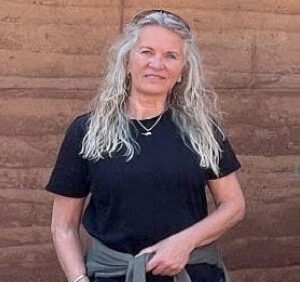 A founding member of APWG, Nicci has extensive experience in the rehabilitation, behaviour, husbandry and release of pangolins.
Her reason for protecting them reaches back much further than APWG itself.
Why the pangolin?
“This mystical, otherworldly creature has been on Earth for 85 million years. It has survived dinosaurs and the cataclysmic event that wiped them out. Peering over the edge of extinction now, they need all the help they can get. I feel compelled to do whatever I can to honour their presence.”
Lori Bentley
APWG Team Member
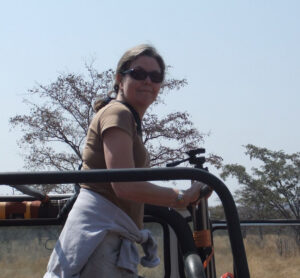
For Lori, it is the contradictions surrounding pangolins that are particularly difficult to ignore.
Why the pangolin?
“They are nearly impossible to spot in the wild, yet they are the most trafficked mammal. They have protection against predators and are vulnerable to predators: humans. They are harmless to humans and most harmed by humans.”
If you could tell people one thing about pangolins, what would it be?
“That they are one of the most fascinating mammals on the planet and they deserve our protection.”
Lori finds hope in the next generation. APWG receives messages from parents whose children have discovered pangolins and become fascinated by them. For her, encouraging those future conservationists begins not by preaching, but by showing our own commitment to the wild.
Kamogelo Seloga
Education Officer
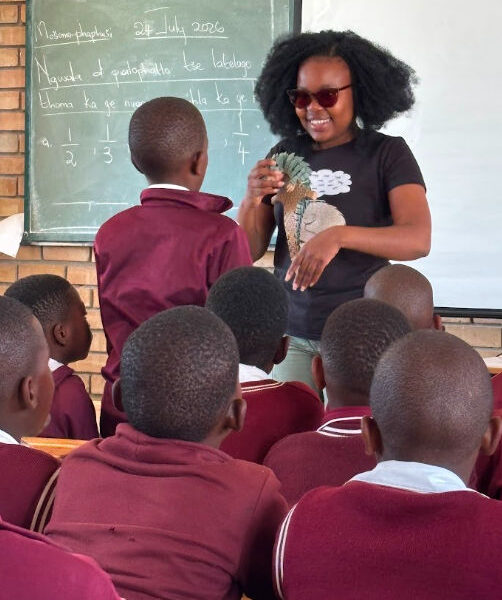
Kamogelo’s work shows that pangolin conservation does not only happen in veterinary clinics, research projects or out in the field. Education can carry conservation into homes and communities far beyond the reach of any one organisation.
If you could tell people one thing about pangolins, what would it be?
“Pangolins are innocent and vulnerable creatures that need our protection. They do not harm people, yet they suffer because of human actions. Understanding them is the first step to protecting them.”
It is the way that understanding spreads that gives Kamogelo hope.
“The children I teach go home and educate their families about pangolins and why it is important to protect them. Many parents may not have known about pangolins before, but now they are learning through their children.”
She describes children’s faces lighting up when they see her car and hearing their voices calling, “Pangolin, pangolin, pangolin.”
Sometimes conservation starts with one child going home excited to tell someone what they learnt that day.
Jasmine Gould
Fundraising Strategy Consultant
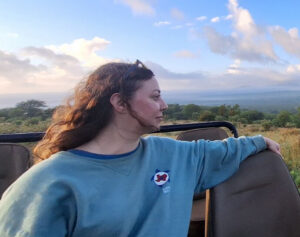
Jasmine helps build the fundraising support that allows conservation work to continue. Her own connection to pangolins, however, began thousands of kilometres from Africa.
Why the pangolin?
“The pangolin captured my heart after having the opportunity to work with a rescued pup in Vietnam. They are truly unique and magical creatures. They deserve so much better than the situation that they have been forced into due to the illegal wildlife trade.”
That encounter stayed with her. Raising awareness and educating people about pangolins has since become an important part of her life.
Alexis Kriel
Co-Chairperson, Executive Director and Treasurer
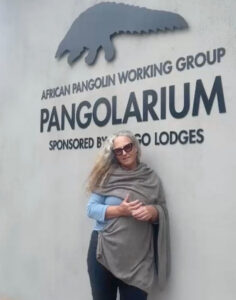
Alexis’s journey with pangolins began in a rainforest clearing in the Central African Republic.
She was there to care for two orphaned pups, one black-bellied and one white-bellied pangolin. Both mothers had been victims of the bushmeat trade.
Why the pangolin?
“For two months, my relationship with these two extraordinary beings absorbed me, completely. The rainforest with all the life that it sustains is sometimes thrilling and sometimes terrifying. Being there is one of the most phenomenal things I have ever done in my life. There was no turning back.”
More than a decade later, Alexis sees reason for hope in just how much the pangolin conservation community has grown.
“We were one of only four organisations doing this in 2011; and now there are so many: scientists, vets, educators, storytellers, funders and fundraisers. Whatever people can do, they are doing for pangolins.”
Amanda Irving
Non-Executive Board Member and Secretary

Amanda brings a background in wildlife storytelling and conservation support to APWG. What keeps her hopeful is not only the organisations working directly with pangolins, but the growing number of ordinary people who care about their future.
What keeps you hopeful?
“I’m hopeful and thankful for the many private individuals, including children, and of course pangolin-focused organisations who rescue, rehab and raise awareness about the plight of these mystical scaly wonders.”
Her message is a simple one: keep caring and keep sharing.
Professor Raymond Jansen
Founder, Past Chairman and Honorary Life Member
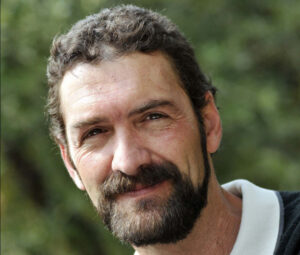
Professor Raymond Jansen founded APWG and has spent years researching and advocating for pangolins. Yet one of the things that continues to fascinate him is how much there still is to learn.
Why the pangolin?
“Being one of the most unusual, seldom seen, endangered mammals on Earth, we still know so little about their life history and biology.”
Scientists have only relatively recently begun exploring their evolutionary origins, behaviour, food preferences, anatomy and physiology in greater depth. Pangolins have no teeth, a tongue that can reach around two-thirds the length of their body and no vocal cords to aid communication.
As Ray puts it, they are “an ancient, fascinating animal we have only started to understand.”
–––
Helping Pangolins Take Their Next Steps
Nine people, with nine different reasons for caring about the same animal.
Their answers also show just how many different skills conservation requires. Research matters. Veterinary care matters. Education matters. Fundraising matters. Storytelling matters. So do the people who simply learn about an animal, care about what happens to it and decide to help.
That spirit of collaboration is at the heart of Every Step Counts, OKOA Fund’s current campaign supporting APWG’s work in KwaZulu-Natal.
Rescued Temminck’s pangolins are being returned to an area where the species had disappeared for decades. But release is not the end of the story. Conservationists need to understand how these animals adapt, where they move and whether they are successfully establishing themselves back in the wild.
–––
Every Step Counts
OKOA Fund is raising R60,000 for six specialist camera traps to support this post-release monitoring. On 29 August, three runners will take on the Sabi Sand Trail Run in support of the campaign, with OKOA Fund matching donations up to R60,000.
The cameras will allow APWG to monitor pangolins around their burrows with minimal disturbance, helping the team learn more about their movements and behaviour after release.
For an animal that is notoriously difficult to observe, every piece of information matters.
And perhaps that is what these nine people demonstrate best. Conservation is rarely the work of one person, one discipline or one organisation. It is scientists and vets. Educators and communities. Researchers, storytellers, fundraisers and supporters, each contributing something different.
At OKOA Fund, we believe meaningful conservation is built in exactly this way: through trusted partnerships, practical action and long-term commitment.