What Is Conservation Tourism, And Why Does It Matter in Africa?
There is a moment familiar to anyone who has travelled into Africa’s wild spaces. It might happen while watching elephants cross a floodplain, walking through a forest with a local guide or sitting quietly as the sun drops behind a seemingly endless landscape.
It is easy, in moments like these, to feel that these places have always existed and always will.
The reality is that behind many of the wildlife populations and landscapes we travel to experience is an extraordinary network of conservationists, researchers, rangers, community leaders and local organisations working to protect them.
Tourism can play a huge part in supporting that work. And that is where conservation tourism comes in.
What Is Conservation Tourism?
Conservation tourism is travel that actively contributes to protecting the places being visited.
It goes beyond simply reducing the negative impact of travel. When done well, conservation tourism can help generate funding for wildlife protection, create economic opportunities for communities and support the restoration of natural landscapes.
The principle is simple: travel should contribute to the future of the places that make travel possible.
This does not mean every journey needs to become a conservation expedition. Often, it is about understanding where you travel, who benefits from your visit and what your tourism spend helps support.
Why Conservation Tourism Matters in Africa
Africa is home to some of the world’s most important wildlife populations and ecosystems, but protecting them requires significant and sustained resources.
Rangers need equipment and training. Wildlife populations need monitoring. Degraded habitats need restoring. Communities living alongside wildlife need meaningful opportunities to benefit from conservation.
Tourism alone cannot solve these challenges, but it can form part of the solution. When tourism and conservation work together responsibly, the value of protecting a wild landscape can extend far beyond the animals visitors have travelled to see.
At OKOA Fund, we look at conservation through three interconnected areas: protecting wildlife, empowering communities and restoring landscapes. Because one rarely succeeds without the others.
Protecting Wildlife
Wildlife may be the most visible part of conservation, but much of the work required to protect it happens quietly behind the scenes.
Anti-poaching initiatives, veterinary interventions, research, rehabilitation, rewilding and long-term monitoring all require people, expertise and funding.
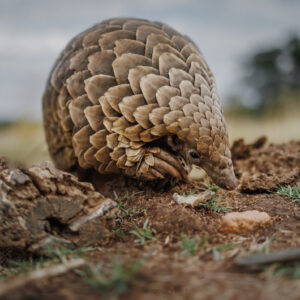
OKOA’s support of the African Pangolin Working Group is one example. In KwaZulu-Natal, rescued Temminck’s pangolins are being returned to an area where the species had disappeared for decades. But releasing an animal is only the beginning. Conservationists also need to understand how those animals adapt, move and survive afterwards.
Through the Every Step Counts campaign, funds are being raised for specialist camera traps to support post-release monitoring. It is a practical example of how people can contribute to a very specific conservation need, even from thousands of kilometres away.
Conservation Is About People Too
Wildlife does not exist separately from the people who live alongside it.
Communities are often among conservation’s most important partners, and meaningful conservation needs to create opportunities for people and nature to thrive together. This principle sits at the centre of OKOA Fund’s approach.
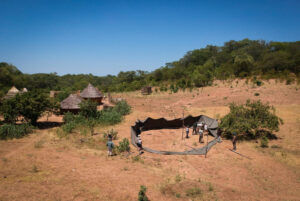
One of OKOA’s previous campaigns raised funds to build seven lion bomas for families in Mola, Zimbabwe. These livestock enclosures help protect cattle and other animals from predators at night. For families, that means greater protection for an important source of livelihood. For lions, it helps reduce the risk of retaliatory killings following livestock losses.
It is a relatively simple intervention with benefits on both sides of the fence, and a good example of why community wellbeing and wildlife conservation cannot be treated as separate conversations.
And Then There Is the Land Itself
Protecting individual species is only part of the picture. Wildlife needs functioning ecosystems, which means conservation must also consider the landscapes that sustain both animals and people.
That restoration can happen on an enormous scale, or one small patch at a time.
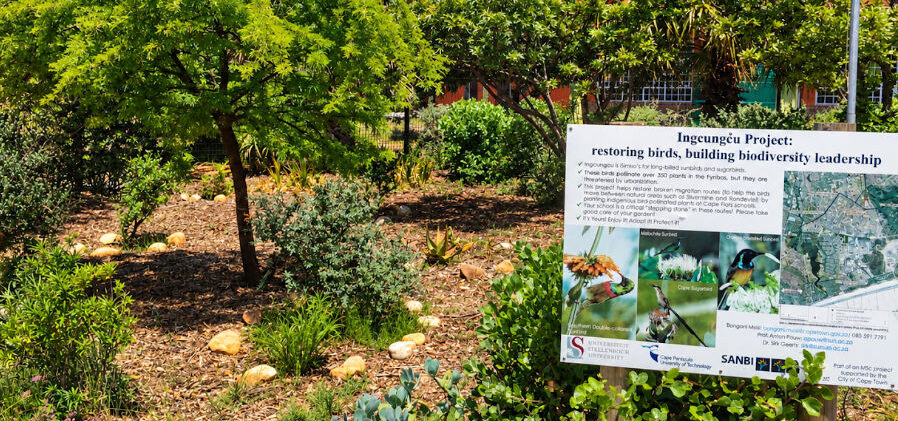
In Cape Town, Ingcungcu Sunbird Restoration creates indigenous fynbos gardens at schools across the Cape Flats. These gardens provide habitat for sunbirds, help reconnect fragmented natural areas and give young people the opportunity to learn about the extraordinary biodiversity on their doorstep.
A school garden may look very different from a wildlife reserve, but both are part of the same conservation story.
Where Does OKOA Fit In?
One of the challenges for travellers is knowing where meaningful support is actually needed.
There are remarkable conservation organisations working across Africa, many of them tackling highly specific problems on the ground. OKOA Fund helps connect people who want to contribute with trusted initiatives doing this work.
Our role is not to replace those organisations. It is to support them.
OKOA invests in practical conservation initiatives designed to create lasting environmental and social impact, with collaboration, transparency and long-term thinking at the centre of its approach.
In this way, OKOA becomes a bridge between people who care about Africa’s future and those working every day to protect it.
Travel Can Be Part of the Story
Conservation tourism ultimately asks us to think a little differently about the places we visit.
Not only what will I see?, but what makes it possible for this place to remain wild? Who is protecting it? Who lives alongside it? And can my journey contribute in some way?
The answers will look different everywhere. That is precisely the point. Good conservation responds to the needs of a particular species, community or landscape rather than assuming one solution will work everywhere.
For travellers, perhaps the most important place to begin is simply to ask better questions.
–––
Conservation Tourism FAQs
What is the difference between conservation tourism and sustainable tourism?
Sustainable tourism generally focuses on reducing tourism’s negative environmental and social impacts. Conservation tourism goes a step further by actively contributing to conservation, whether through funding, employment, wildlife protection, research, community initiatives or habitat restoration.
How does tourism help wildlife conservation in Africa?
Tourism can provide funding and economic value for protected landscapes and wildlife. Depending on the destination and tourism model, revenue may support conservation management, rangers, research and monitoring, while tourism-related employment can create livelihoods linked to maintaining healthy natural environments.
Does conservation tourism only benefit wildlife?
No. Effective conservation recognises the relationship between wildlife, communities and landscapes. OKOA’s approach reflects this interconnected model: protecting biodiversity through practical conservation, supporting people as leaders in conservation and restoring landscapes that sustain both wildlife and people.
How does OKOA Fund choose the conservation projects it supports?
OKOA works through trusted conservation partnerships and supports practical initiatives focused on meaningful, measurable and long-term environmental and social impact. Collaboration and transparency are central to how OKOA approaches conservation.
Can travellers support conservation even after returning home?
Absolutely. Travellers can continue supporting credible conservation organisations and specific projects long after a journey ends. OKOA Fund exists partly to make that connection easier, helping people discover practical conservation initiatives and understand what their support is helping to achieve.
Conservation Through Collaboration
Wildlife depends on healthy landscapes. Landscapes depend on people who protect and live alongside them. Conservation works best when those relationships are strengthened together.